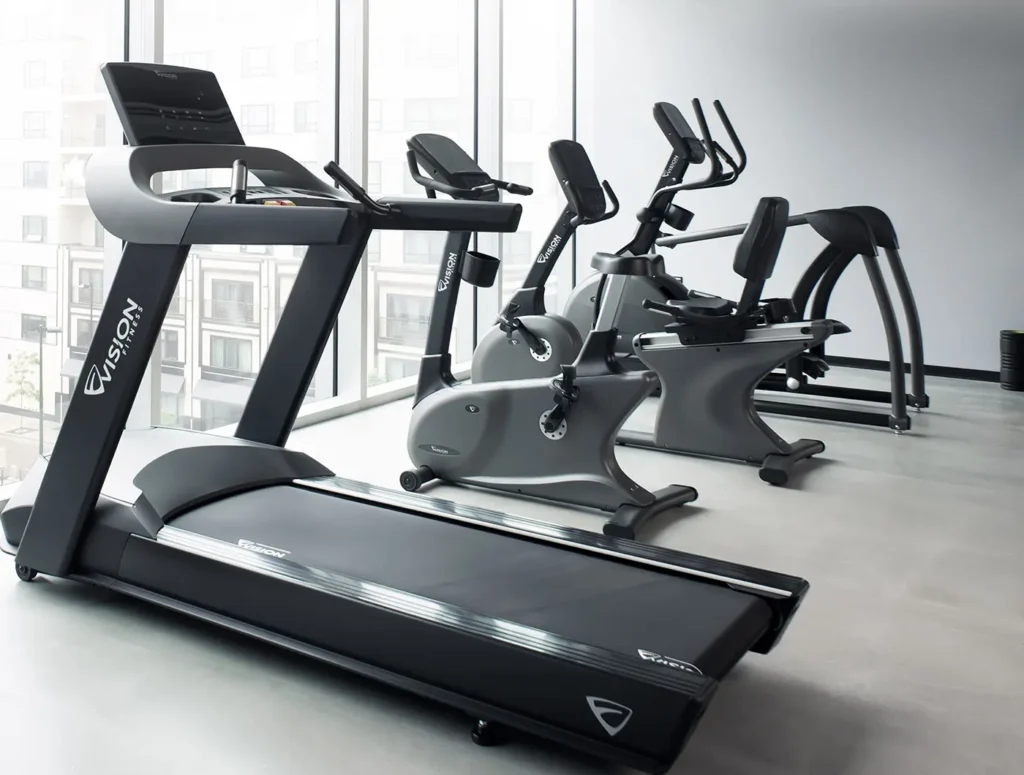
How to Choose the Right Commercial Fitness Equipment for Your Facility
Selecting the right commercial fitness equipment is one of the most important decisions when designing or upgrading a fitness facility.
Whether you’re planning a new gym, upgrading a hotel fitness center, or outfitting a residential development, selecting the right commercial fitness equipment is a critical investment. The equipment you choose will influence user satisfaction, facility performance, maintenance costs, and long-term business success.
Start with Your Facility Type
Different facilities have different requirements. A corporate wellness center may prioritize ease of use and space efficiency, while a fitness club may require high-performance equipment capable of handling heavy daily usage.
Consider the primary users of your facility and how frequently the equipment will be used. Understanding these needs will help guide your equipment selection and budget allocation.
Prioritize Essential Equipment Categories
A well-rounded fitness facility typically includes a balance of cardiovascular, strength, and functional training equipment.
Cardiovascular Equipment
Cardio machines remain the most frequently used equipment in many facilities. Common options include treadmills, exercise bikes, ellipticals, and rowing machines. These products should offer durability, user-friendly controls, and reliable performance.
Strength Training Equipment
Strength zones should accommodate users of varying fitness levels. A combination of selectorized machines, free weights, benches, and functional trainers helps create a comprehensive training experience.
Functional Training Areas
Functional training continues to gain popularity among users seeking versatile workout options. Open training spaces paired with accessories such as kettlebells, medicine balls, and suspension trainers can increase engagement and flexibility.
Consider Space Planning
Available floor space plays a major role in equipment selection. Choosing the right mix of equipment can improve traffic flow, maximize capacity, and create a more comfortable workout environment.
Before purchasing equipment, evaluate:
- Available square footage
- User circulation paths
- Accessibility requirements
- Future expansion opportunities
A thoughtful layout can significantly enhance the overall user experience.
Evaluate Technology Features
Modern commercial fitness equipment often includes integrated technology designed to improve engagement and performance tracking. Features such as touchscreen consoles, workout tracking, virtual training programs, and connectivity with fitness apps can help facilities deliver a more interactive experience while meeting evolving user expectations.
Focus on Long-Term Value
While upfront costs are important, facility owners should also consider the total cost of ownership. Reliable equipment with strong warranties and service support can reduce downtime and maintenance expenses over time.
When evaluating equipment, consider:
- Product durability
- Warranty coverage
- Service network availability
- Replacement part accessibility
- Maintenance requirements
Investing in quality equipment often results in better long-term value and operational efficiency.
Partner with Experienced Providers
Working with an experienced commercial fitness supplier can simplify the planning and procurement process. Professional consultation, facility design support, installation services, and ongoing maintenance programs can help ensure your investment delivers lasting results.
Recent Post
Designing Future-Ready Fitness Spaces
How Premium Equipment Improves Member Experience