

Most people judge fitness equipment by what’s visible—the design, the touchscreen, how many workout programs it offers. But what actually determines whether a piece of equipment is still pleasant to use in five or ten years, or ends up as a dust collector within a year, lies in the parts you can’t see while it’s still wrapped up neatly in the showroom. Here are five things actually worth checking—not based on price, since price shifts easily with promotions, but based on what makes a piece of equipment genuinely durable and worth using long-term.
- Space Efficiency: Footprint vs Training Capacity
For anyone living in an apartment or a home with limited floor space, floor space itself is a precious resource. Before thinking about anything else technical, compare how much space a piece of equipment needs against how many movement variations it actually allows.
For example:
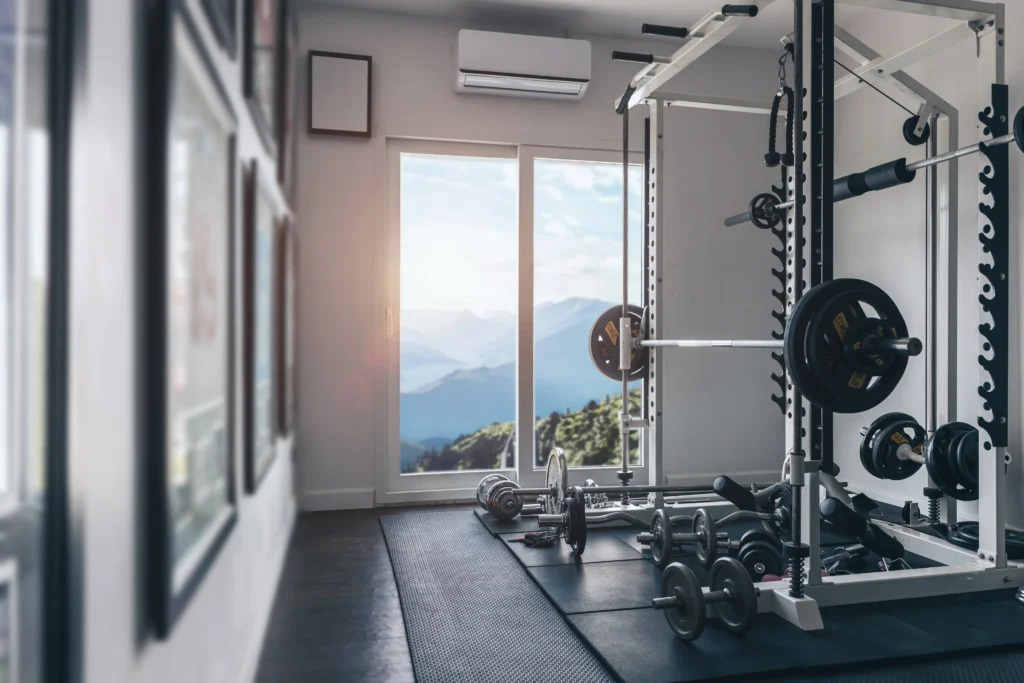
- A modular rack with a pulley system might need around two by two meters, but can support hundreds of full-body movement variations.
- A single-purpose heavy machine takes up roughly the same space but trains only one specific movement.
For home use, multi-functional equipment is usually far more worth it than something highly specific that takes up the same amount of room.
Ask yourself first: if this space can only fit one or two pieces of equipment, what type of training do you actually want to do regularly? That answer should determine which equipment to choose—not the other way around.
- Matching Usage Intensity and Weight Capacity
These two questions are closely connected, and they’re often the most overlooked: what intensity of use was this equipment actually designed for, and for whom?
In the fitness equipment industry, there’s a concept called duty cycle—how long and how often a piece of equipment is designed to be used continuously without its components overheating or wearing out prematurely. Equipment built for light use (a few times a week, short sessions) has very different component specs from equipment designed for daily use by more than one person. It’s not about which is “better”—it’s about fit. Buying equipment meant for light use and then using it intensively every day is the most reliable way to wear out its components prematurely.
The second, closely related factor: maximum weight capacity as designed by the manufacturer. Choose equipment whose maximum capacity has a comfortable margin above the heaviest regular user’s body weight—not something that just barely matches current body weight. Why? Because dynamic movements like running, jumping, or lifting with momentum generate far greater force than simple static body weight. A capacity that’s too tight pushes components close to their limit every session, which accelerates wear compared to equipment with a more generous capacity margin.
- Digital Features vs the Lifespan of Mechanical Hardware
Many fitness machines today come with high-resolution touchscreens, connectivity, and real-time metric tracking. These features can genuinely help—if visual guidance or on-screen data motivates someone to exercise consistently, that’s real added value, not just a gimmick.
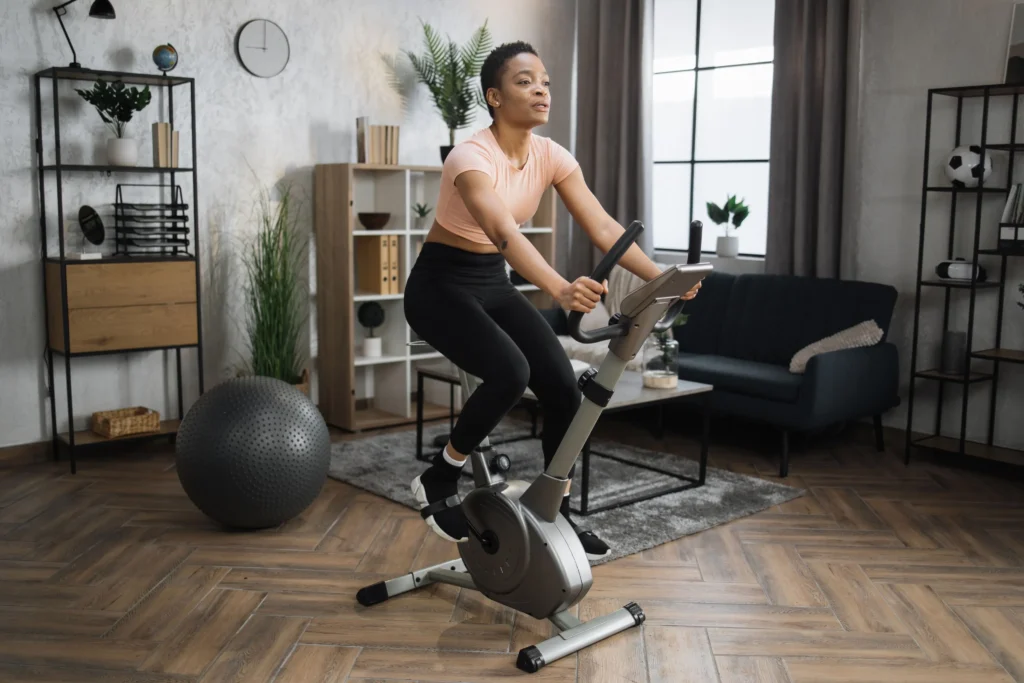
But an evaluation that actually holds up over time needs to look past the screen. Software update cycles are usually much faster than the lifespan of mechanical components—so today’s most advanced digital features can feel outdated within a few years, while the mechanical foundation (motor, resistance system, pulley smoothness) keeps running long after that. Before getting drawn in by the interface, it’s worth checking the mechanical foundation first: the motor on a treadmill, the resistance system on a stationary bike, or pulley smoothness on strength equipment. Good equipment stays solid and comfortable to use ten years from now, regardless of whether its digital system is still the newest thing on the market.
This evaluation also includes understanding total long-term cost of ownership, not just the price on the label. Some fitness equipment now comes bundled with an app or subscription ecosystem for virtual classes, a reasonable solution for people with packed schedules who want structured guidance. But this means there’s an additional cost to factor in beyond the upfront price:
- Ongoing subscription fees
- Routine maintenance costs, since exercise equipment is a mechanical system with moving parts—belts that need periodic replacement, deck lubrication, cable slings on cable machines that wear out over time
Worth asking: if you stop subscribing to the app someday, does the equipment’s core mechanical function remain comfortable to use? Equipment that still offers a good manual mode protects your investment from dependency on a third-party service whose policies or pricing could change later.
- Material Durability vs the Reality of a Humid Climate
This is a geographic factor that can’t be ignored. High humidity accelerates corrosion on metal, and this happens even faster when combined with sweat, which contains salt—a combination that’s extremely common on fitness equipment used regularly.
Two parts of the equipment are worth paying closest attention to:
- The metal frame: there’s a meaningful difference between basic spray paint and powder coating baked at high temperature—the latter bonds deeper into the metal’s pores and resists rust far better than ordinary paint.
- Parts that touch the skin directly (like seats or grips): low-quality synthetic leather tends to crack or develop odour faster when exposed to sweat regularly in a room that isn’t always air-conditioned—high-density foam with sturdier stitching tends to hold up better under intensive use in humid conditions.
- Spare Parts Availability and Local Service Network
This is the aspect buyers overlook most often, even though its impact is felt the most later on. No matter how well-built a piece of equipment is, moving components (motor, belt, bearings, cable slings) will eventually need maintenance or replacement. Even the best fitness equipment becomes useless if one small component breaks, and there’s no local replacement available, or the local distributor is no longer active.
Before buying, it’s worth asking concrete questions directly:
- Where’s the nearest service centre located?
- What’s the average wait time for ordering spare parts like belts or cable slings?
- Does the brand have a track record of supporting its older models with long-term parts availability?
A proven track record of after-sales support is usually more trustworthy than promotional claims about fast service that have never actually been tested.
These 5 questions apply to any category of fitness equipment—whether it’s cardio like a treadmill or strength training equipment. The underlying principle stays the same: a balanced evaluation that enjoys the available technology while making sure the mechanical foundation is solid, the materials suit the local climate, and there’s a real service commitment nearby.