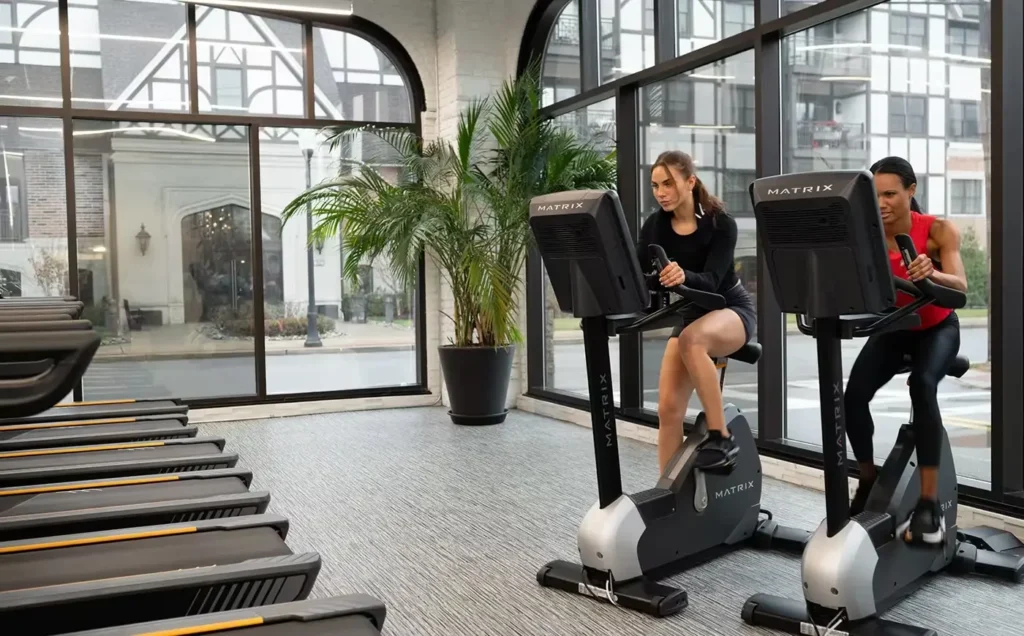


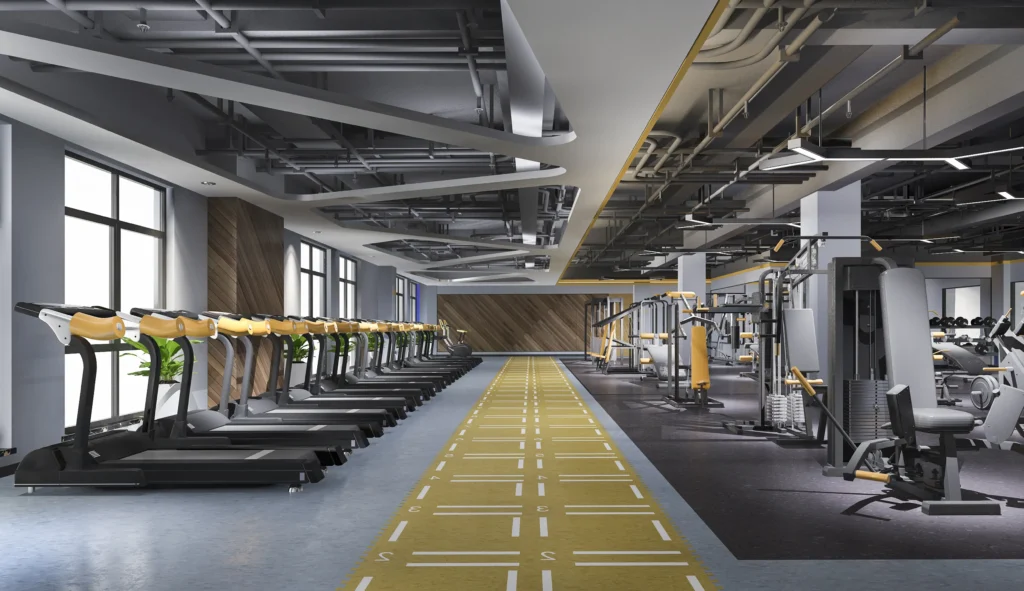
For years, fitness facility standards in the hospitality industry have been stuck in a familiar compromise: a small room tucked in a basement corner with two treadmills and a set of light dumbbells. This was long considered “good enough” to meet the minimum threshold for a four- or five-star rating. However, guest expectations have shifted dramatically. Backed by extensive industry data, this shift is far more than a passing trend.
Data-Backed Shifts in Guest Expectations
Today’s guests bring their daily wellness routines directly into the hotels and serviced apartments where they stay. Checking in is no longer an excuse to pause their fitness regimes. In its annual trend report, Hilton revealed that nearly half of global travellers (47%) make physical fitness and access to sports facilities a top priority when planning a trip. Subsequent industry reports consistently reinforce this finding: staying active remains a central consideration for modern tourists, with recent surveys indicating that 7 out of 10 global travellers prefer to maintain their workouts while on the road.
This evolution is further supported by Global Wellness Institute (GWI) research into the wellness tourism sector. Their data demonstrates that health- and fitness-oriented tourists spend significantly more than average travellers—approximately 36% more per trip. To attract high-spending, loyal guests, a hotel gym should reflect the same commitment to premium quality as the property’s other top-tier amenities.
Furthermore, the GWI noted in its latest hospitality and sports trend report that demands for structured sleep, movement and specific dietary support—once restricted to professional athletes—are now routinely requested by everyday hotel guests. Elevating fitness amenities is no longer a subjective preference; it is a documented global movement.
The Classic Procurement Mistake: CapEx Over Utility
Many properties still view fitness equipment strictly as a capital expenditure rather than evaluating its functional utility. This mindset frequently leads to poor procurement decisions—such as purchasing large, overly complex multi-gym stations simply to make a room appear “full”. In reality, modern guests require commercial-grade free weights and open floor space for functional training.
This aligns directly with research from mature commercial fitness markets: post-pandemic consumers demand far more personalised exercise experiences. The traditional one-size-fits-all approach no longer suffices. Guests look for variety in both equipment and programming, rather than a dense cluster of machines from a single category. For hospitality operators, the primary question should not be “Does the room look full?”, but rather “Is this equipment actively used, and does it align with our specific guest demographic?”
The Impact on Reputation and Commercial Performance
Upgrading to a properly calibrated fitness facility is not merely about aesthetic appeal—it links directly to measurable business performance. Academic research evaluating hundreds of urban hotels found that higher online review scores directly correlate with increased occupancy rates. Guest reviews are not vanity metrics; they have an undeniable impact on revenue.
Because the hotel gym is an amenity frequently highlighted in online reviews, a well-appointed facility—or conversely, broken and neglected equipment—directly sways overall property ratings.
Beyond individual leisure travellers, a high-standard fitness centre is increasingly a requirement for corporate clients seeking long-term accommodations for executives. Corporate procurement managers setting up rate contracts routinely evaluate health and wellness amenities alongside location and room pricing.
Essential Criteria for Commercial Fitness Equipment Procurement
If your property is in the planning or procurement stage, keeping a few technical principles in mind can help you keep long-term costs down while maximising the utility of the equipment you buy:
-
Heavy-Duty Commercial Durability: Unlike home equipment, hotel gym machinery is subjected to high volume and varied training styles from diverse users. Selecting full-commercial standards engineered for heavy-duty use reduces breakdown frequency and extends equipment lifespans.
-
Intuitive Design: Hotel guests have limited time and should not have to struggle with complex configurations. Equipment featuring intuitive weight adjustments allows guests to exercise independently without requiring staff assistance.
-
Vendor Service Infrastructure: Out-of-order signs immediately diminish guest perception. Before selecting an equipment vendor, request verified details regarding service response times and local spare parts availability. Reliable after-sales support is critical to maintaining operational continuity
Tailoring Solutions to Your Guest Demographic
Upgrading fitness standards does not require every property to make a massive capital investment or install overly complex technology. A city-centre business hotel catering to time-constrained corporate travellers has entirely different operational requirements than a luxury resort hosting long-stay leisure guests.
A successful equipment investment relies on understanding your specific guest profile and tailoring the layout and product selection accordingly—guided by relevant data rather than assumptions.