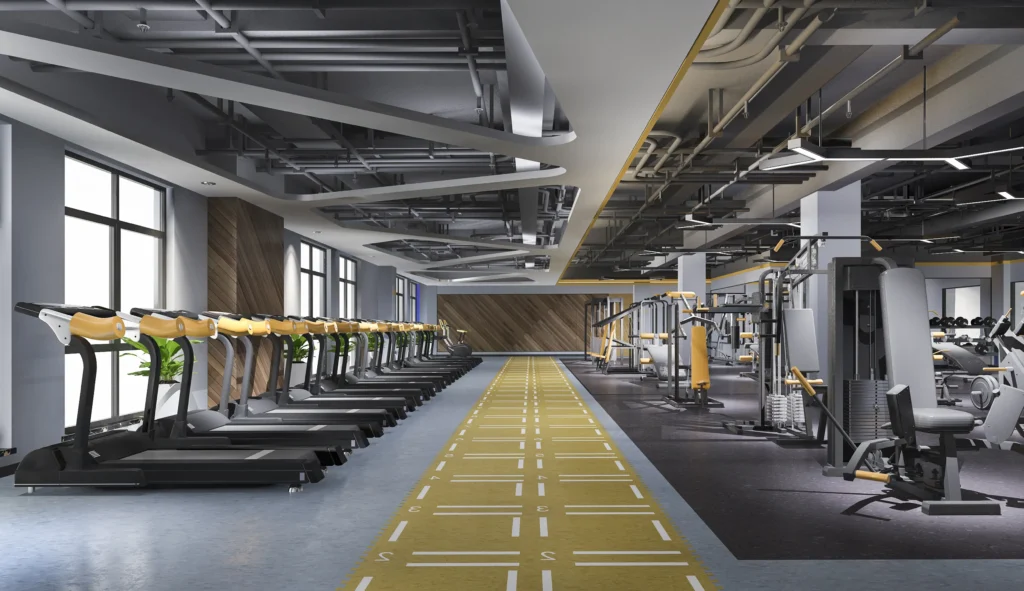


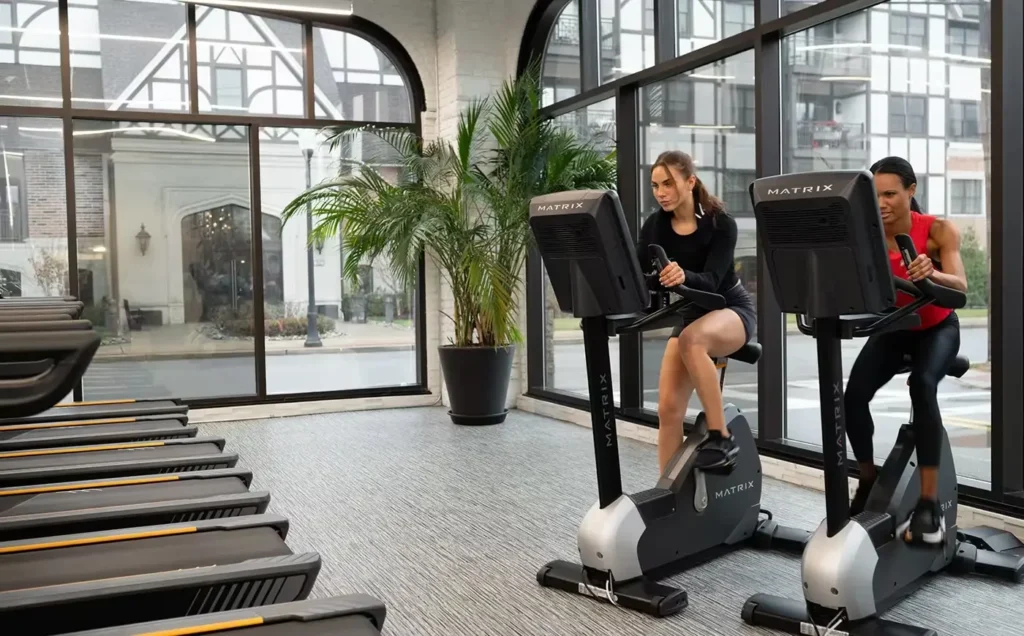
Capital expenditure has been allocated, and the units are installed and neatly lined up in the facility—whether in a commercial gym, a hotel or a premium residential development. Yet a year later, the financial reality falls short of initial projections. Instead of enjoying a healthy return on investment (ROI), unaccounted operational costs begin to mount: repairs are more frequent than estimated, expensive machinery sits virtually untouched, or the vendor’s technician fails to appear with the required spare parts.
The issue is rarely that the equipment is functionally flawed. Rather, the problem lies in how “price” is calculated during the initial purchasing decision. Buyers frequently become fixated on the initial price tag, overlooking the total running costs required to keep the facility operational over its lifespan.
The Initial Price Trap: Understanding Total Cost of Ownership
In asset management, there is a framework called the Total Cost of Ownership (TCO). The logic is simple. The real cost of an asset isn’t just its purchase price, but the accumulation of all costs during its operation, from routine maintenance and repairs, down to the financial losses when the machine cannot be used.
Purchasing decisions often become sub-optimal due to what can be called the “illusion of financial objectivity”.
- Procurement teams are usually evaluated on how much they can squeeze initial costs, seeking vendor discounts and the lowest price on the negotiation table.
- As a result, the actual costs merely shift in time, rather than disappear.
- The operational team is left to bear the burden of downtime and ballooning repair costs for 6 or 12 months after the purchase decision was approved and forgotten.
- Equipment Downtime: A Hidden Threat to Your Gym’s Revenue
One of the most frequently underestimated hidden costs is downtime—when a machine is slapped with an “under repair” label. Many people assume this is just a technical issue that will be resolved as soon as the technician arrives.
In reality, downtime carries a massive potential impact on your reputation and revenue.
- Every single day a popular machine cannot be used is a day when the member or guest experience drops.
- A consistently declining experience ultimately influences their decision to renew their membership or return to the same property on their next visit.
What makes downtime far more expensive than it looks is a factor often ignored from the start: service response speed and local spare parts availability. A broken treadmill that can be fixed in one day has a completely different business impact compared to the same machine waiting weeks for spare parts shipped from overseas. This is exactly why evaluating the vendor’s service infrastructure before buying—including the clarity of their Service Level Agreement (SLA) is an unskippable part of calculating your true ROI, not just a sideline to price negotiations.
- The Illusion of a “Complete” Gym: Why Utility Beats Variety
There is a massive difference between a facility that looks “complete” and a facility where the equipment is actually used regularly.
As a simple illustration to understand this concept, imagine a facility installing usage trackers on its gym floor. You would likely see a pattern like this:
- The free weight areas, squat racks, and popular cardio machines have incredibly high utilisation rates throughout the entire day.
- Meanwhile, one or two highly specific, space-consuming machines remain virtually untouched.
This isn’t data from a specific study, but an intuitive pattern for anyone who has actively observed daily gym operations. A room filled with low-utility equipment is not an investment; it is a liability that constantly eats up maintenance budgets and floor space without providing any real contribution.
Today’s fitness consumers tend to demand equipment that is relevant to their routines, rather than just a wide variety of categories. Instead of blowing the budget on many different types of rarely touched machines, your ROI will likely be much healthier if those funds are allocated to doubling the number of units in categories that always have long queues during peak hours.
- Member Retention: The Most Rational ROI Metric
Ultimately, a well-maintained facility will produce much more loyal members or guests. A consistent experience where machines never break down, cable mechanisms are perfectly smooth, and the atmosphere is neatly organised is one of the most effective user retention strategies out there, even if it is rarely viewed as part of a marketing strategy.
Classic research by Bain & Company, which is also heavily cited by the Harvard Business Review, found that increasing customer retention by just 5% can boost business profits by anywhere from 25% to 95%, depending on the industry. Retaining your existing users generally costs significantly less than constantly hunting for new ones to replace the people who left feeling disappointed by poorly maintained facilities.
Data-driven decisions do not guarantee instant perfection, but they put objectivity back in its proper place. It allows you to look at the value of an asset over its entire operational lifespan, rather than just staring at the sweetest number offered upfront.